
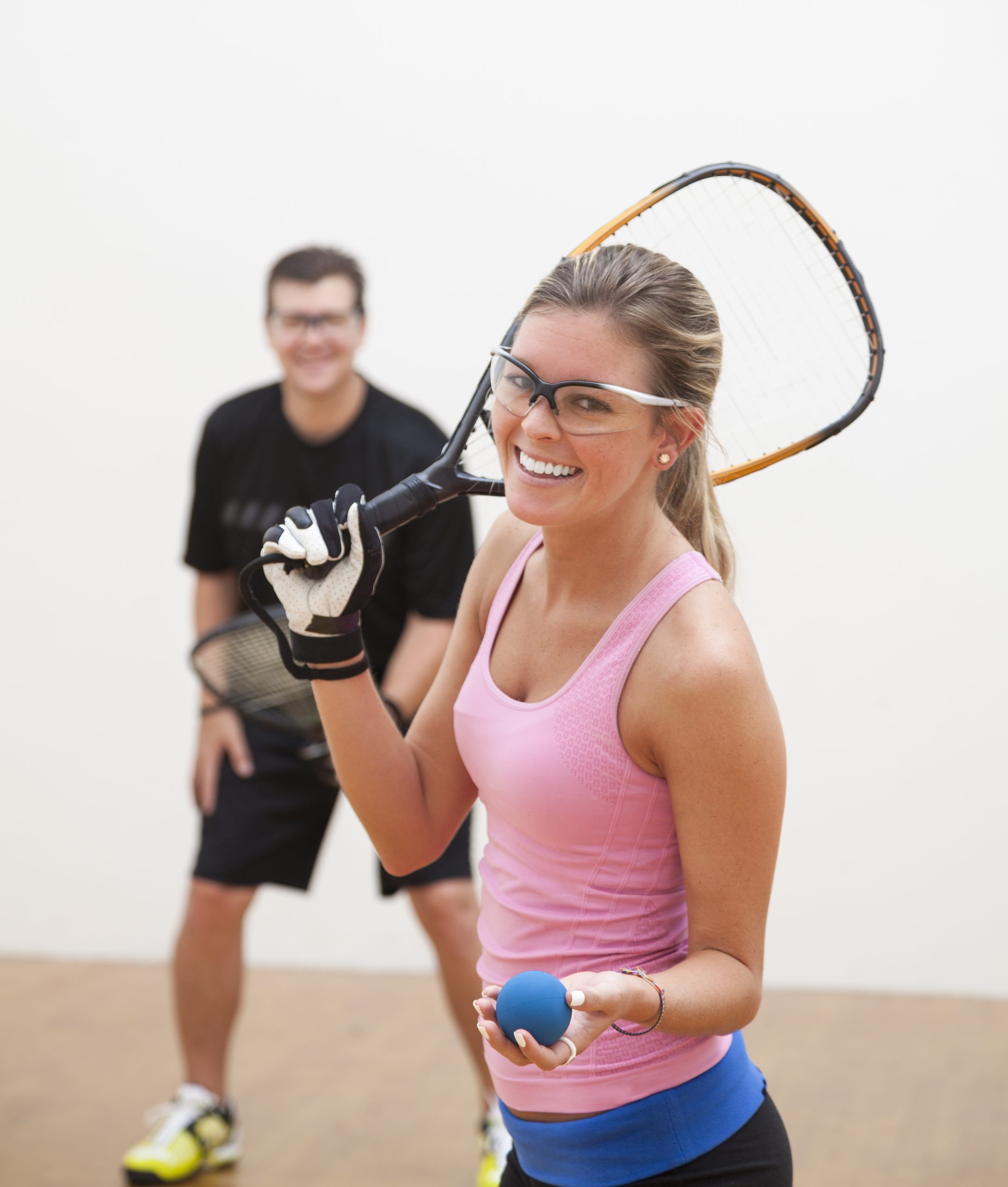
As the weather warms and you spend more time outside, it’s important to remember to protect your eyesight. While ensuring your eyeglasses have UV protection is an important first step to safeguarding your eyesight outdoors, for those who are aiming to play some ball this spring, protective eyewear is a must.
Protective eyewear (also known as “safety eyewear”) is used to shield the eyes and prevent eye injury during physical activities and sports. Using high impact eyewear while playing lacrosse, field hockey, baseball, and other high-risk sports can prevent eye damage. This eyewear can come with vision corrective lenses or non-vision corrective lenses, depending on your needs.
If you think your normal glasses will provide enough protection, think again: traditional, aka non-safety, eyeglasses actually provide little protection to the eyes during high impact sports and can sometimes increase injuries should they break. You can find prescription protective eyewear at your eye doctor or an optical store, and non-prescription protective eyewear at almost any sporting goods store.
How to Identify Impact Rating on Eyewear
An important part of purchasing protective eyewear is selecting a pair with the appropriate impact rating. You can select from basic impact to high impact-rated protective eyewear. The difference between the two categories is the level of impact standard met. High impact-rated eyewear passes tougher high mass and velocity testing than basic impact-rated glasses, making it a safer choice for high-contact sports.
You can identify a protective eyewear’s impact rating by checking markings on the frame and lenses.
Prescription
If prescription protective eyewear is rated for any level of impact (basic or high), the rating of “Z87-2” can be found on the front of frame or on one of the temples. Check the manufacturer’s trademark on the actual lenses—if there is a “+” next to their trademark, the prescription protective eyewear is rated for high impact.
Non-Prescription
If non-prescription protective eyewear is rated for impact, the rating of “Z87” (basic impact) or “Z87+” (high impact) can be found on the front of the frame or on one of the temples. Again, if there is a “+” next to their trademark on the actual lenses, the protective eyewear is rated for high impact.
Whether you need vision correction or not, using protective eyewear during physical activities that pose an escalated risk of hard projectiles and close contact with sports equipment to the eyes is a good idea. Bats, rackets, balls, field hockey sticks and/or fingers, elbows, feet, or knees can make contact with your eyes, sometimes causing permanent damage or blindness. High-impact protective eyewear with a padded, wrap-style frame is your best protection against sports-related injury.
What Sports Need Eye Protection?
According to the National Eye Institute, sports with a high risk of eye injury include:
- Baseball and softball
- Basketball
- Fencing
- Hockey
- Mountain biking
- Paintball
- Racquetball and squash
Sports with a moderate risk of eye injury include:
- Badminton
- Golf
- Soccer
- Tackle football
- Tennis
Sports with a low risk of eye injury include:
- Diving
- Gymnastics
- Road biking
- Skiing
- Swimming
- Track and field
Consult with your eye care professional on if protective eyewear is best for you.
For more information, see the below resources:
https://preventblindness.org/sports-eye-safety/
https://nvablog.com/home/eyewear/protective-eyewear-do-athletes-need-it/